.webp)
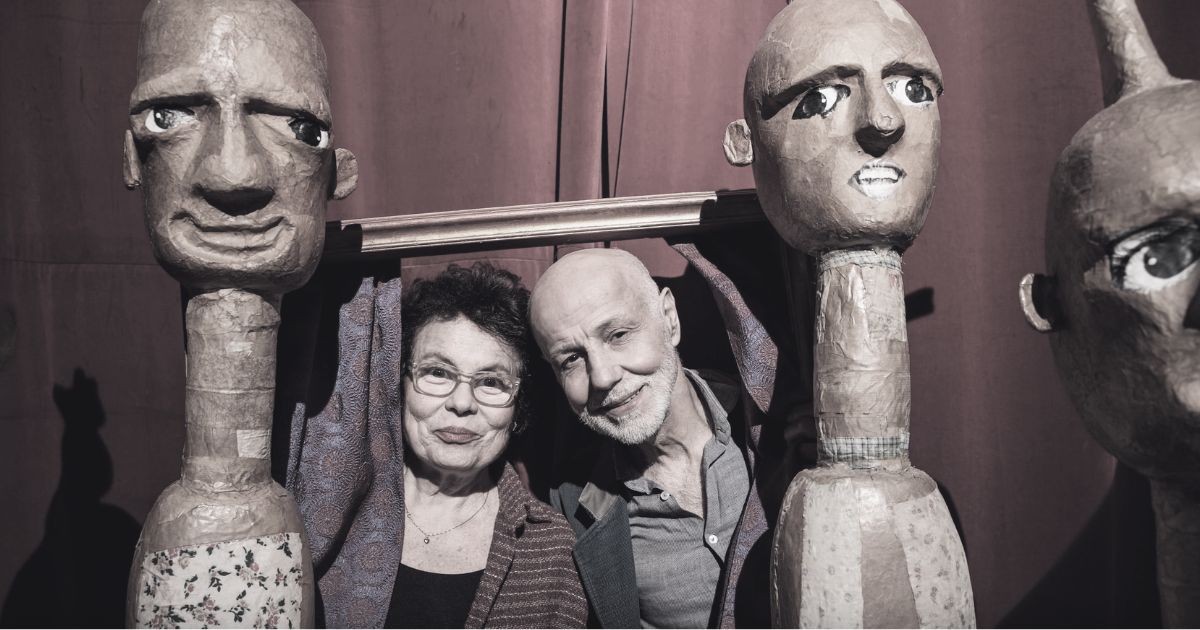
Teatro Munganga: “You Can’t Change the Whole World, But You Can Change Small Worlds”
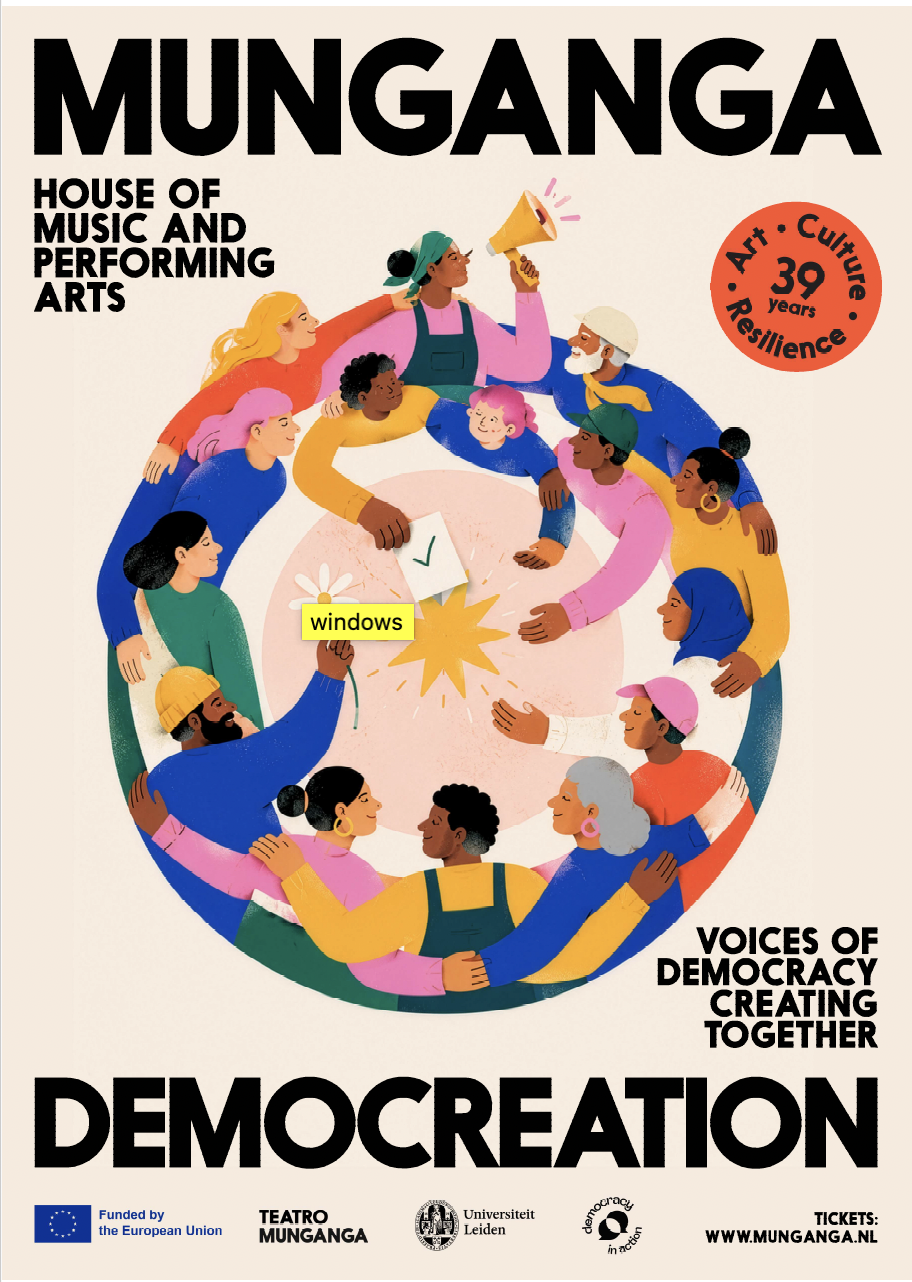
In this interview, Teatro Munganga founders Claudia Maoli and Carlos Lagoeiro reflect on nearly 40 years of socially engaged theatre, their vision of democracy, and the ideas behind Democreation - a participatory performance on the 30th of May in Amsterdam that invites audiences to collectively reimagine democracy through art, dialogue, and community.
Teatro Munganga: “You Can’t Change the Whole World, But You Can Change Small Worlds”
In this interview, Teatro Munganga founders Claudia Maoli and Carlos Lagoeiro reflect on nearly 40 years of socially engaged theatre, their vision of democracy, and the ideas behind Democreation - a participatory performance on the 30th of May in Amsterdam that invites audiences to collectively reimagine democracy through art, dialogue, and community.
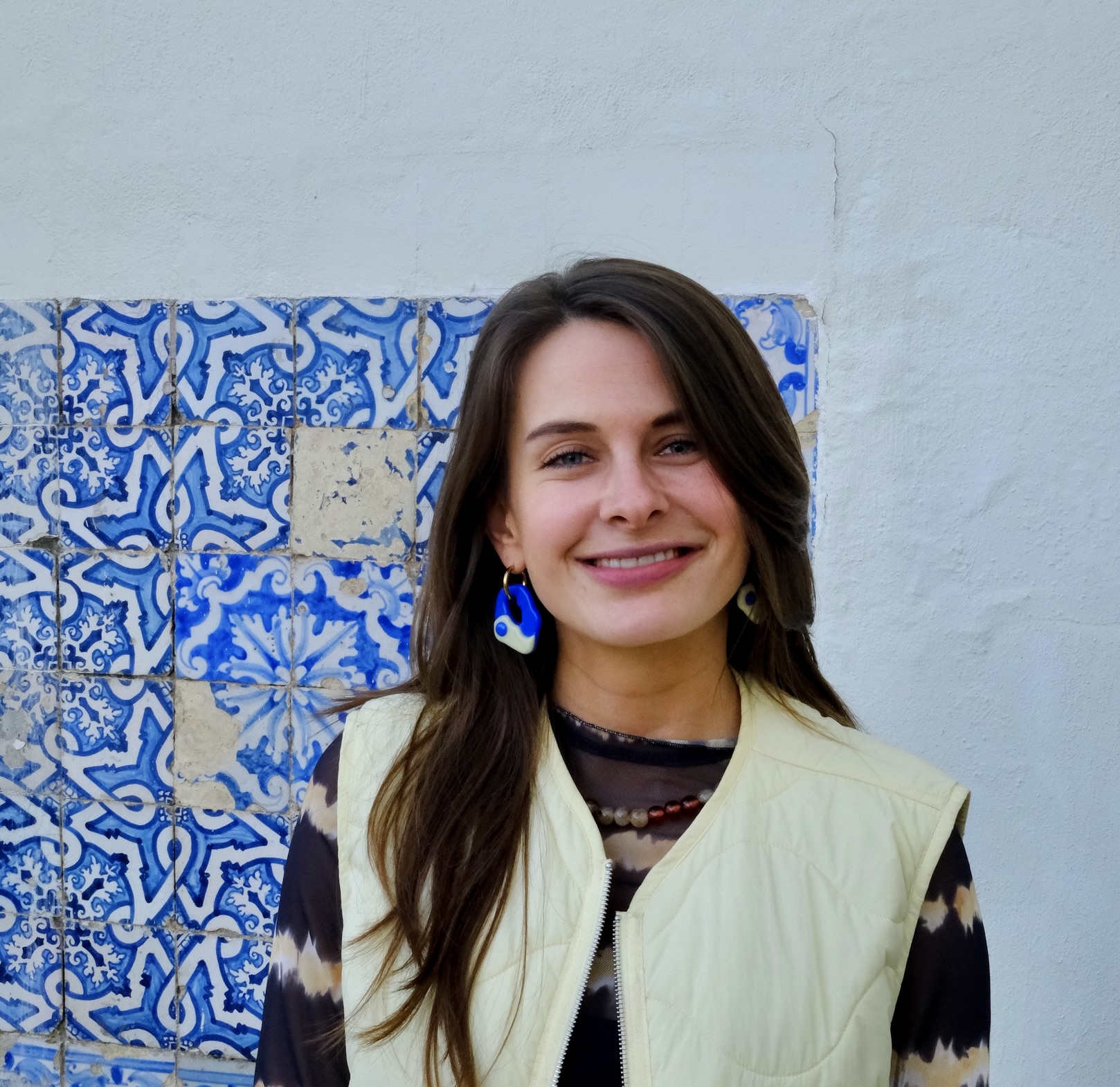
“Claudia, are you coming?” We’re sitting at the small round kitchen table on the top floor of Teatro Munganga, as co-founder and director Carlos calls his wife - the other founder and director. To get there, we had to climb steep stairs surrounded by masks, decor pieces, and posters. For decades, Teatro Munganga has combined theatre, music, and social engagement to create spaces for dialogue and inclusion. Their upcoming event Democreation is a participatory performance about democracy, in collaboration with Democracy in Action.
Let’s start at the beginning, how did Munganga come to be?
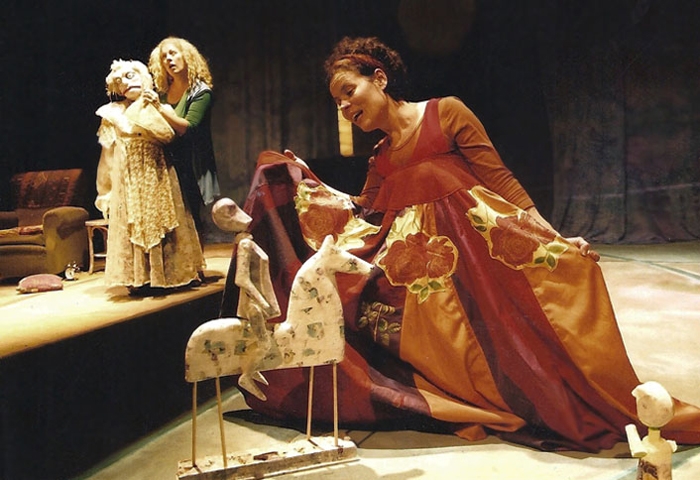
Claudia: That’s a long story. Back in Brazil, where we’re originally from, we won a prize for a performance we made. It told the story of 21 years of dictatorship in Brazil through the eyes of eight children, which we ourselves played. Thanks to this prize, we got invited to an international festival in Portugal. One thing led to another, and we eventually ended up in The Netherlands. At that time, the political situation in Brazil was quite precarious, so our plan was to stay a little while, make a performance here, and then go back to Brazil. Well, that performance was received incredibly well: the NRC wrote half a page about it in their newspaper, which opened all sorts of doors for us.
Carlos: And before we knew it, “a little while” turned into 39 years! After that first performance, we made a second, and a third, and our audience started growing. And after a while, you create a life here; we had kids, and you build up recognition. Making theatre is not an easy profession - you have to be resilient. It’s difficult to have a theatre group-
Claudia: Or to keep one!
Carlos: And it’s expensive, you’re dependent on a lot of people, and people’s time is precious. We were very lucky to have received structural grants, but it was a difficult time for the cultural sector. Many of our friends decided to quit their jobs as artists and choose a profession with more financial security. We decided to keep going.
Claudia: Our children say we’re crazy, haha! They worry about us, asking: “when will you stop? Hasn’t this been enough?!”
But you keep going - what drives you to do so? What do you hope to accomplish with your work?
Carlos: I started making theatre 50 years ago, with the illusion that I would change the world. And as I’ve gotten older, that illusion hasn’t left me. I know I can’t change the whole world - but I can change all these little worlds. Take Democreation: during this event we bring people together to reflect on the state of democracy. And through this reflection, one can make small steps in their own community, and from there really make a change. Before, I used to focus on the big changes, eradicating poverty, for example. But now, I see that it’s the small things that matter - that’s where true democracy happens.
Claudia: I think that’s something that has always been present in our 39 years of creating theatre here in the Netherlands: a social engagement, a commitment to minority groups. We’ve done a lot of projects with the indigenous peoples of Brazil, about the state of the environment and the rainforest. But we’ve also worked with psychiatric patients, refugees, elderly people. To us, it’s always been important we don’t just play in official theatres but also reach people who don’t have access to such places. This desire to include everyone has always been very strong.
And if we go to your upcoming event, Democreation: Sara Brandellero [head researcher Democracy in Action) from Leiden University approached you out of curiosity about how artists would approach a theme like democracy. What does democracy mean to you personally?
Carlos: To me, it’s a combination of many elements. Simply having the possibility to vote, and to choose a representative, is not how I define democracy. Democracy is also about justice: it’s hard to talk about democracy when there are people who don’t have enough to eat or a roof over their head. Because in my opinion, wealth is not fairly distributed. In countries like Brazil, there’s a very small group of people who are extremely wealthy, while others have close to nothing. I think that democracy has to be about making space for all voices, giving each other the floor to have respectful discussions.
Are there similarities between theatre and democracy?
Claudia: Definitely! Theatre is something you do as a collective, you rely on one another to make something great for your audience. It’s about equality and coming together to create something beautiful. Once hierarchy enters the floor, you lose that. So for me, theatre is always a practice in working as democratically as possible. When I directed the final play for my kids’ primary school, I was even counting the words to make sure everyone had the same amount of lines - I got a little obsessed, haha! But I do believe that creativity is something that belongs to us all.
And how did you incorporate these ideas of democracy into Democreation?
Carlos: It’s a challenge! Do you go all the way back to the Greeks? It took us a long time of thinking, reading, contemplating. Until we realized we had to open it up and take this concept outside. We wanted to give democracy a voice: not just ours, but all kinds of voices. So, we decided to make a video documentary, where people talk about what they think of the state of democracy. We interviewed all kinds of people - from poor to rich, left-leaning to right-leaning.
.png)
What do you hope people take with them after this event?
Carlos: It’s going to be an event full of reflection. We begin with a procession around the block where Munganga is located. You see, I’ve always viewed this block as a block of resistance. This whole building complex, which used to be a depot for horse carriages, was squatted by a group of people in 1984. We arrived in 1989, and five years later the municipality legalised our stay. Now, we form a union with about 14 other small collectives. Together, we really make an effort to ensure the rent doesn’t get as high here as it is out there - that’s just unbelievable. We all get along very well, and have a really horizontal way of organising, where we all decide what happens to the place.
Claudia: And outside, everyone is begging for this place, they want to build expensive hotels. But that’s not what’s important to us. We want to make these projects for everyone, and bring democracy from the inside out and the outside in. I hope Democreation can inspire people to reflect on what their interests and talents are, and think about their place in society, or even in the world. After every talk or performance, there will be lots of room for discussion - to really make it a collective experience. And after all that time spent up here in our heads, it was important for me to include our bodies as well. So, we’ll end the night dancing!
Democreation will take place on the 30th of May, from 16:00 to 20:00, at Teatro Munganga.