

How the sea shapes everything in our work

How the sea shapes everything in our work

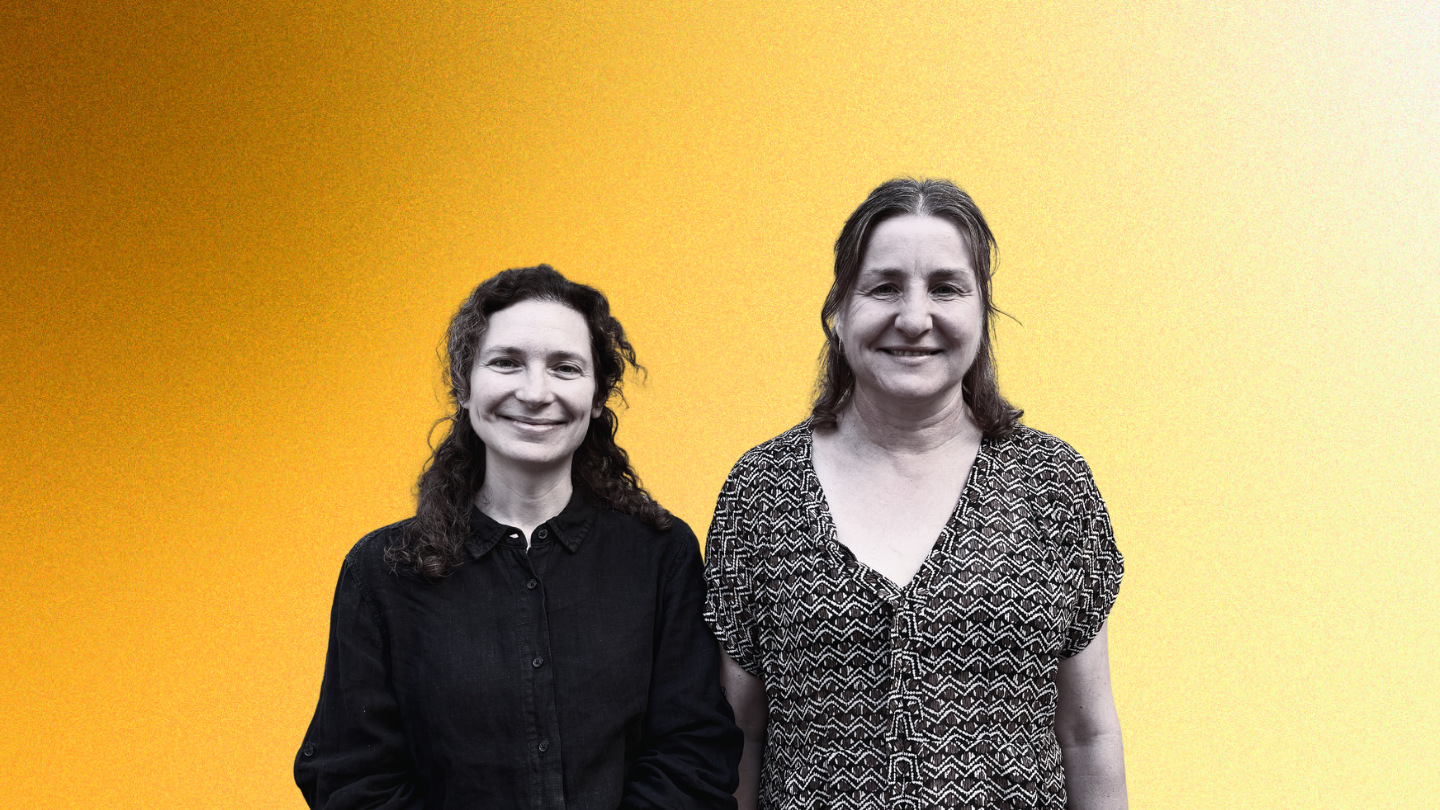
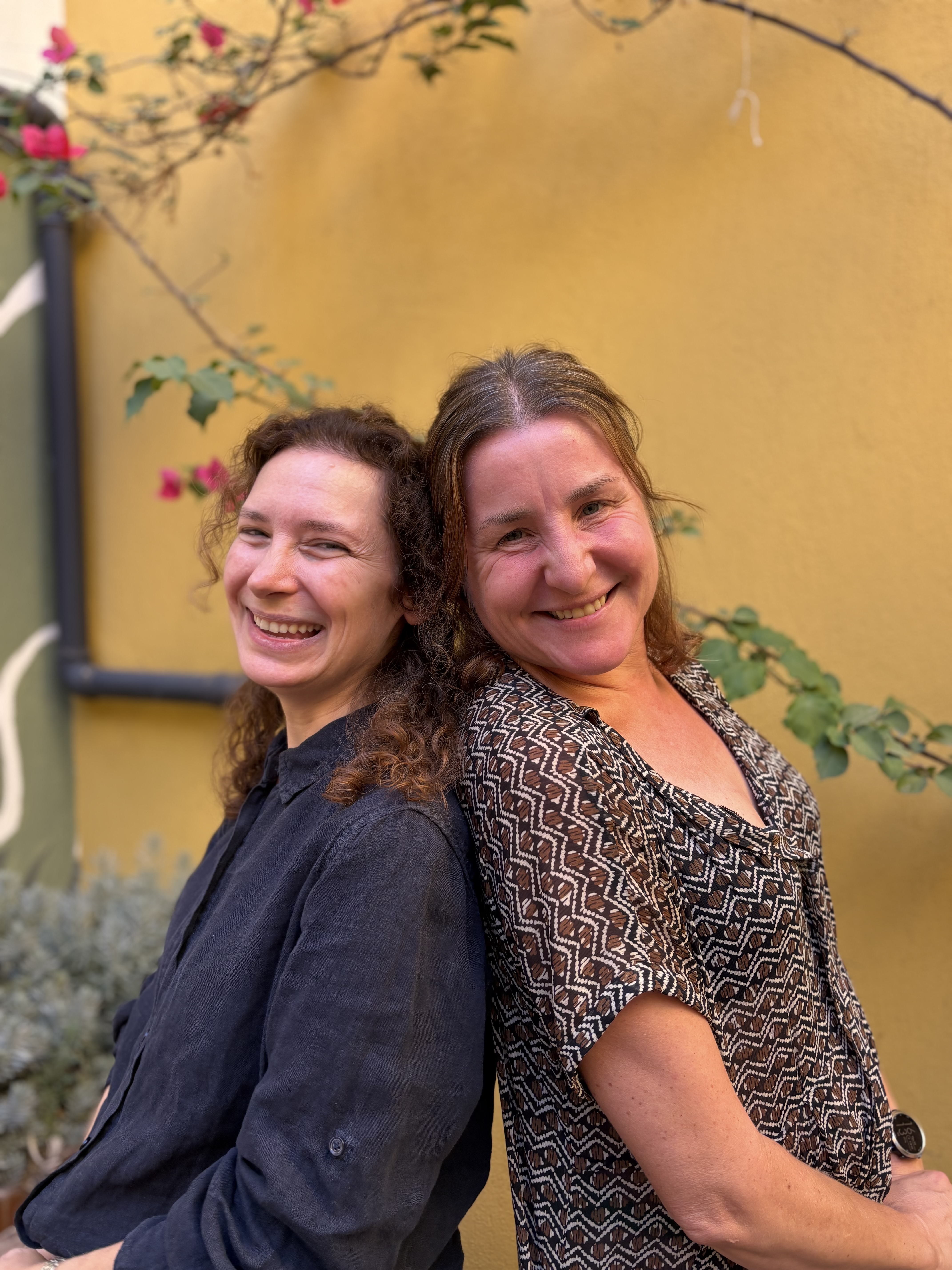
One works for a compound surrounded by forest an hour outside Izmir, where dancers have choreographed a piece in the mud and a performer once swam and danced in the pond. The other sets up governance groups in English neighbourhoods and uses art to help residents plan their own future.
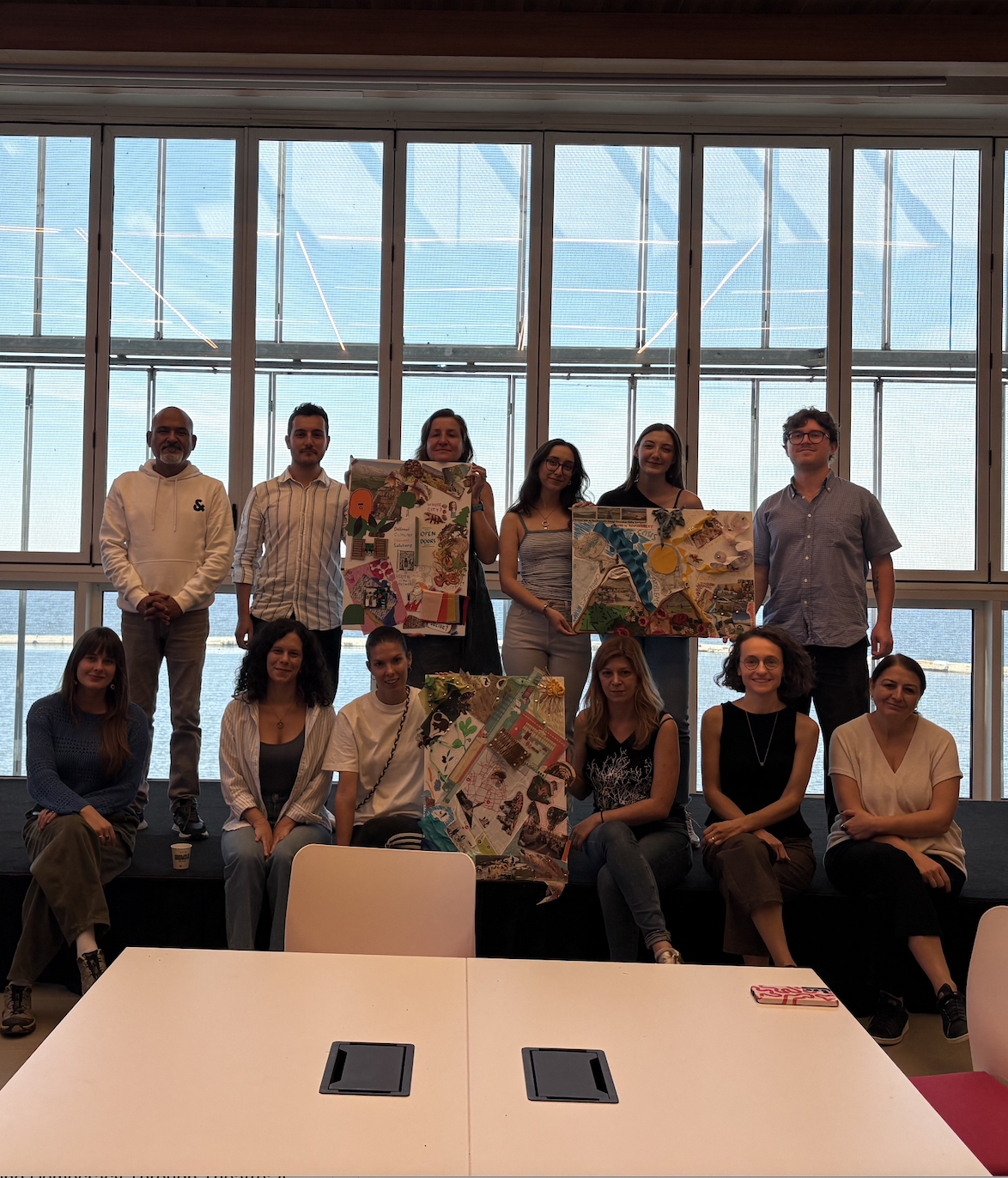
During a Democracy in Action workshop organized by our partners Fondazione Santagata and Kentimiz İzmir Derneğiin in September 2026, we sat down with Begüm of K2 Contemporary Art Centre and Kim Wide of Take A Part. We spoke about the sea, slowing down, and what each of them took home from the workshop.
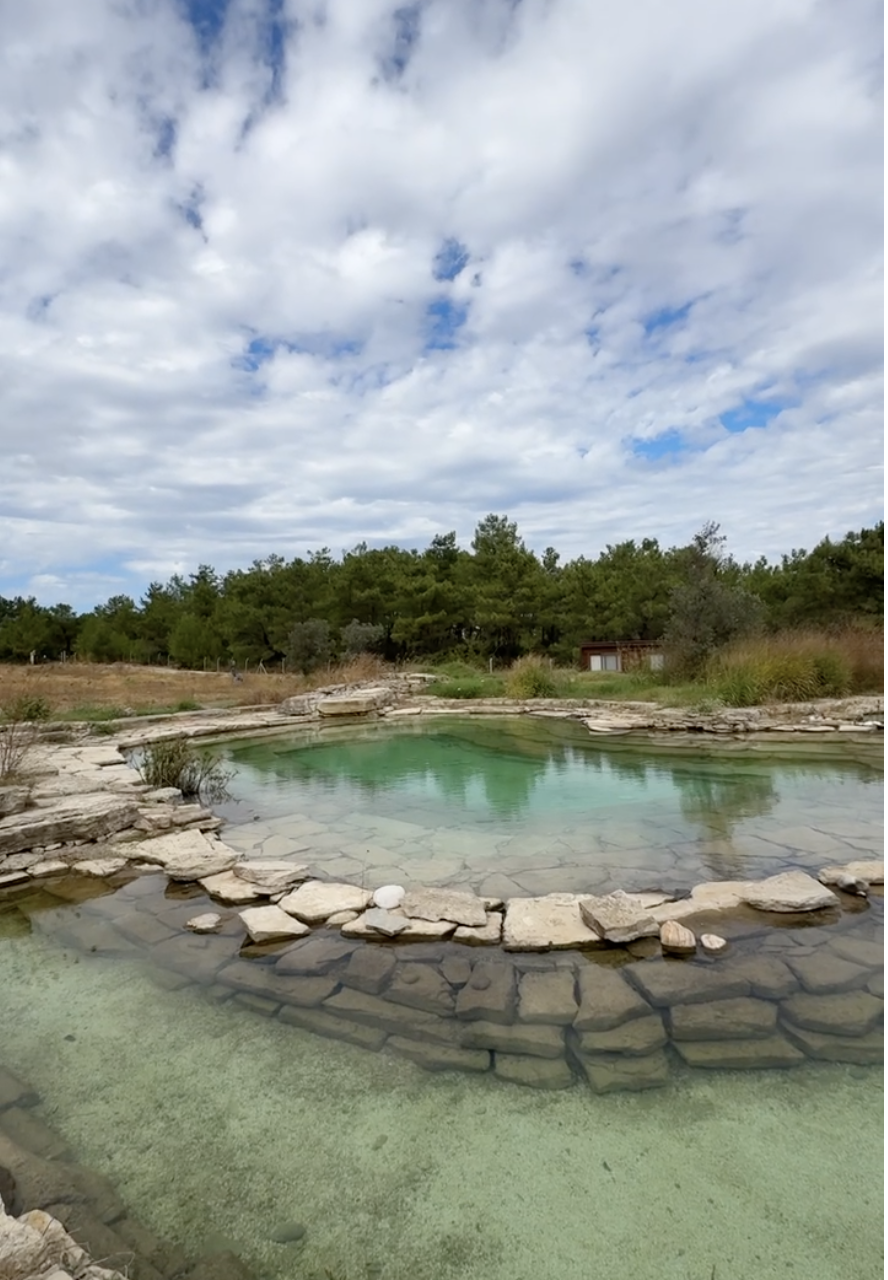
Begüm Tatari is General Coordinator of K2 Contemporary Art Centre, where she has worked for ten years. Founded in 2003, K2 creates platforms where art is produced, discussed and shared. Since 2018 its activities have centred on a compound surrounded by forest in Urla, about an hour from Izmir city centre, where it hosts artists in residence through projects, mainly funded by national and international institutions.
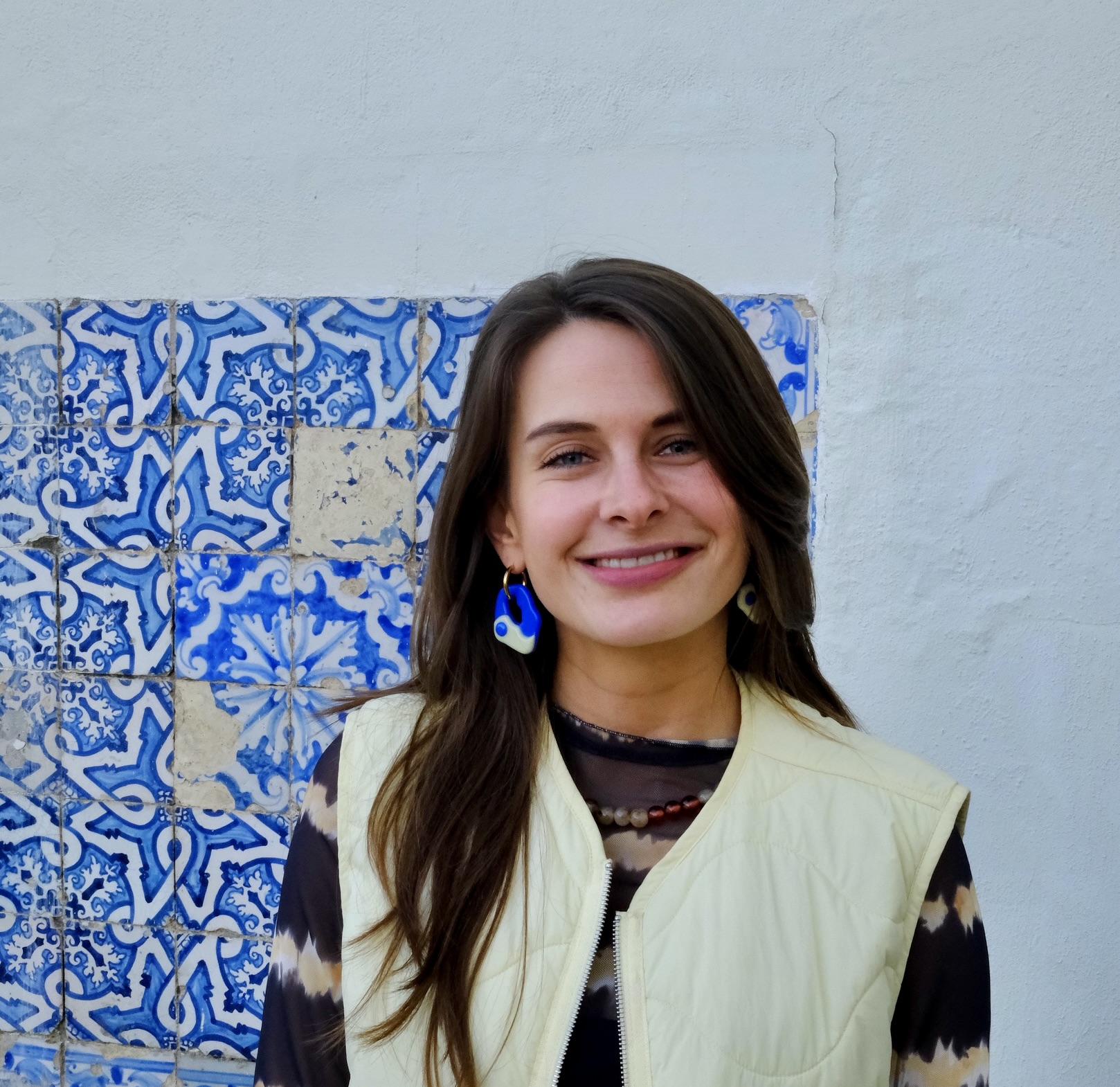
Kim Wide is Artistic Director and CO-CEO at Take A Part in Plymouth, UK. Take A Part sets up cultural governance groups within communities and uses art to help them test ideas and draw up plans for change and action in their place, from ecological solutions in the East End of Plymouth to the regeneration on the lower high street in Yeovil.
Begüm, if someone walked into K2 Urla Breathing Zone on an ordinary Tuesday, what would they find?
Begüm: Mostly artists in residence, working on different projects. You can see all kinds of art being practised. Someone might be painting; a duo of dancers might be doing choreography in the mud. We've had a performer on the roof of a bungalow delivering a tirade, and another swimming and dancing in the pond. The sky is the limit. They would also find a variety of trees, wildflowers, animals and insects.
How would you describe the place itself?
Begüm: Peaceful. Serene. It helps you connect with nature, and with your own nature as well. There isn't much noise there, in every sense. I think it helps you turn down the noise in your head as well.
You both talk about where you work with a lot of passion. Does your place make your work possible, or do you work despite it?
Kim: Take A Part works with a model. We set up cultural governance groups in a community and use art to get people testing different ideas and coming up with a plan for community-led change. So we can repeat that in different ways in different communities. One might be looking at ecological solutions, like the east end of Plymouth. Another might want to regenerate businesses on the lower high street, as in Yeovil. Whatever communities want and need from their place is where Take A Part starts. We love place, but we're probably more rooted in people's experiences of those places, and in what their futures look like.
Begüm: For us, the place is central. The compound is surrounded by forest, so it's silent and serene, which helps artists concentrate and retreat if they wish to. When artists go to other places for residencies, they change their routines and their context, which increases their creativity. They interact with locals -artists, artisans, farmers, residents- and collaborate with them. Often they change their original idea once they see the place or meet the locals.
Kim: But in both cases we need people to be connected to our place, in whatever way, to be able to make the work.
Plymouth and Izmir are both shaped by the sea. How does that affect your work?
Kim: For us, definitely. Our community sits on the foreshore of Plymouth Sound, the UK's first national marine park. Plymouth's bond with the ocean came through fishing, port work and the navy, and that identity now needs to be reconsidered. With new investment in naval defence, it may become more connected to the sea again. So we're asking: what does it mean to be an Ocean City when 17% of Plymouth's young people have never been to the seaside? How do you fall in love with the sea again, and what green jobs could it bring?
Begüm: Being a port city is an important part of Izmir's identity too. For centuries, it has been playing a major role in the development of the city. Via the port, trade brought a variety of goods, skills, languages, and ideas coming and going. That diversity, which you can still see, has helped make the city culturally rich, open-minded and creative.
Kim: Plymouth's military heritage has made it far less diverse, but that is changing. We've been a Defense City; now we need to become a city of welcome. There is learning there from how Izmir holds so many different religions, cultures and ideas.
Kim: This is why international exchange and arts practice matter so much. Art gives you a new perspective, and exchange means I'm learning here in Izmir what could be applied in Plymouth, and vice versa.

Plymouth and Izmir are both shaped by the sea. How does that affect your work?
Kim: For us, definitely. Our community sits on the foreshore of Plymouth Sound, the UK's first national marine park. Plymouth's bond with the ocean came through fishing, port work and the navy, and that identity now needs to be reconsidered. With new investment in naval defence, it may become more connected to the sea again. So we're asking: what does it mean to be an Ocean City when 17% of Plymouth's young people have never been to the seaside? How do you fall in love with the sea again, and what green jobs could it bring?
Begüm: Being a port city is an important part of Izmir's identity too. For centuries, it has been playing a major role in the development of the city. Via the port, trade brought a variety of goods, skills, languages, and ideas coming and going. That diversity, which you can still see, has helped make the city culturally rich, open-minded and creative.
Kim: Plymouth's military heritage has made it far less diverse, but that is changing. We've been a Defense City; now we need to become a city of welcome. There is learning there from how Izmir holds so many different religions, cultures and ideas. This is why international exchange and arts practice matter so much. Art gives you a new perspective, and exchange means I'm learning here in Izmir what could be applied in Plymouth, and vice versa.
What are you taking away from your time in Izmir?
Kim: The real dedication I find here to locally built culture and grassroots practice, which I love so much. We visited Atelier Deneme, and saw the opportunity in a project focused on the neighbourhood they already work in. It re-energises me. I could learn from partnering with cultural placemakers in Izmir: what works here, what doesn't, what we could apply in our own community. And what we could give back. It was really clear that a multidisciplinary approach is needed, one focused on what young people want and need from their own futures, rooted in youth leadership and young people setting the agenda. We need scientists, we need artists, we need all of that expertise.
Begüm: I totally agree. One thing that stood out from yesterday's round-table discussion was that we have to collaborate in everything we do if we want to make a difference. We have to bring our power together collectively. And from today's discussions on engaging young people: it's not enough just to include young people. We have to include their families, their schools, their elders, because they are all shaped by society as a whole.