
From Stage to State: Mid-term conference recap
In June, researchers, artists and grassroots organisations from across Europe met in Kraków to ask one question: where does democracy actually happen? Here's what we took away from our mid-term conference.

From Stage to State: Mid-term conference recap
In June, researchers, artists and grassroots organisations from across Europe met in Kraków to ask one question: where does democracy actually happen? Here's what we took away from our mid-term conference.


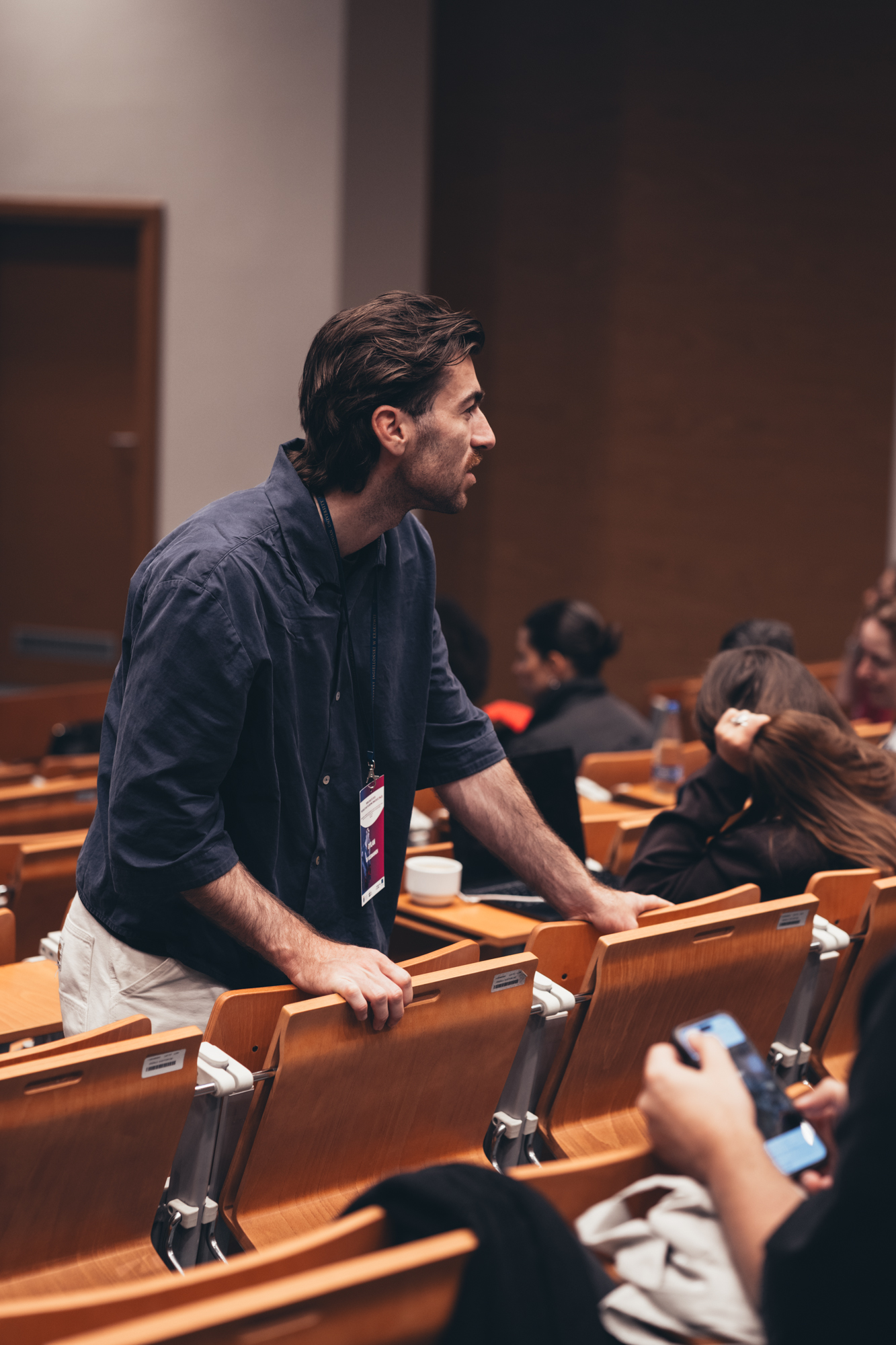
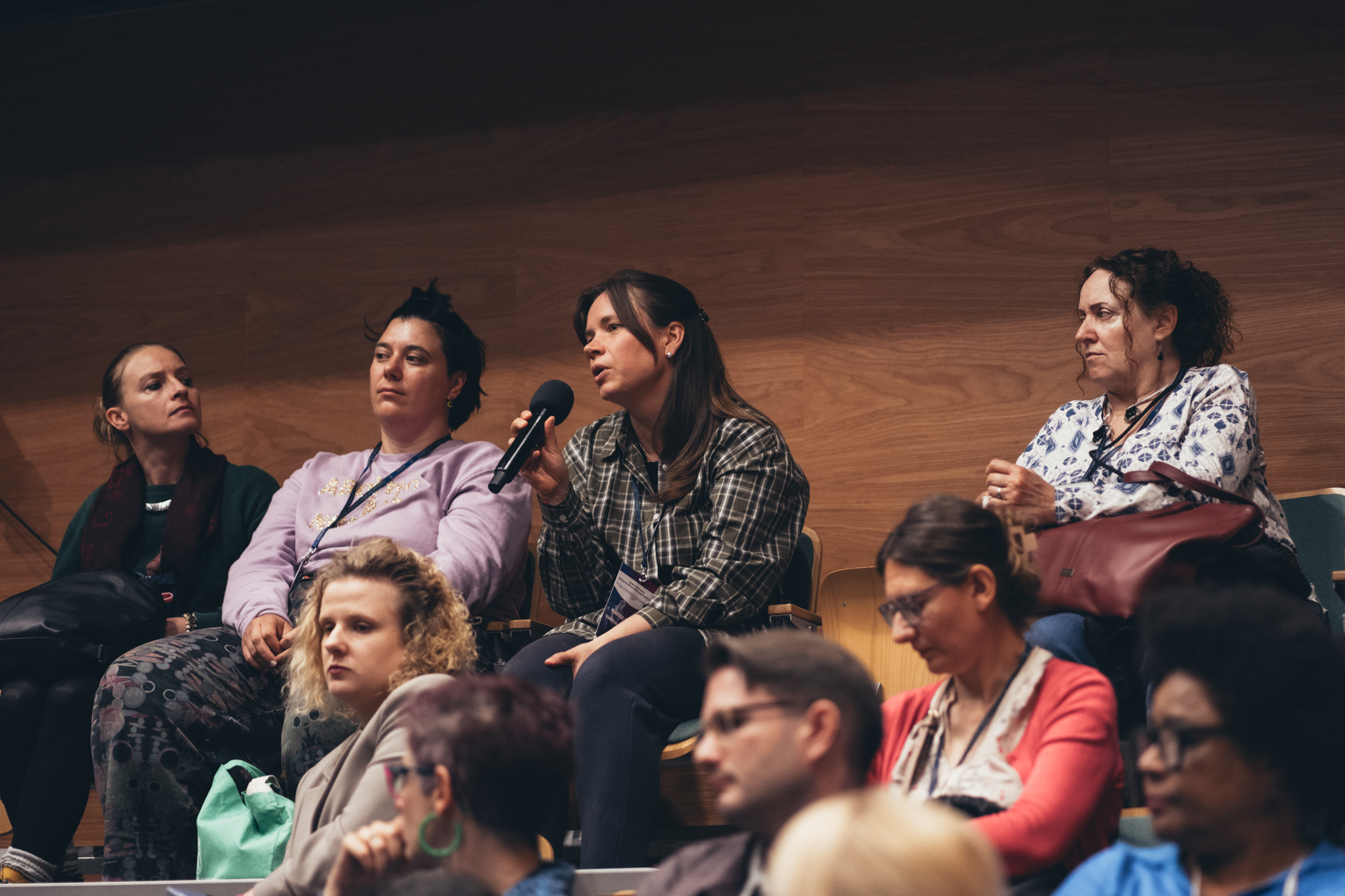
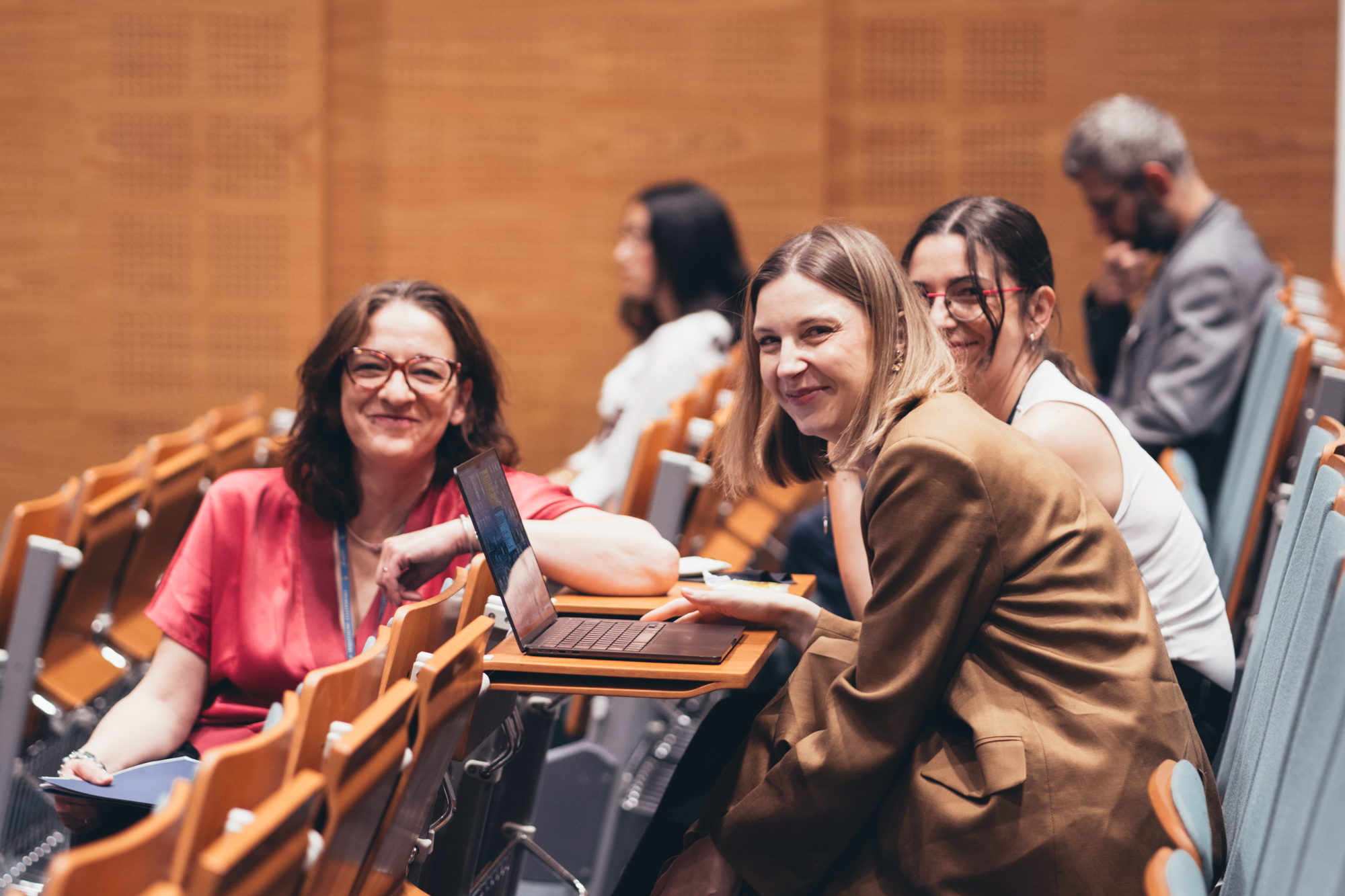
In June, researchers, artists, activists and grassroots organisations from across Europe met in Kraków for the Democracy in Action mid-term conference, From Stage to State: The Role of Art in Shaping Democratic Spaces.

Ask most people where democracy happens and they will point to a parliament, a ballot box or a town hall. The people who gathered in Kraków had a longer list: a theatre, a community centre, a neighbourhood radio station, a dancefloor.
Hosted by the Faculty of Management and Social Communication at Jagiellonian University, the conference brought the Democracy in Action consortium together with a wider circle of scholars and practitioners. They came to compare notes on one shared question: what do grassroots arts and culture actually contribute to democratic life – and how do we know?
Six ways in
The programme was built around six streams, each asking where and how culture opens up democratic space.
- Feminist artivism (Jagiellonian University): how feminist artists and activists move between anger and care, protest and healing – and turn creative work into civic engagement.
- Nightivism (Leiden University): what nightlife – clubs, but also late-night theatre and music venues – does for equality and freedom of expression, not least for LGBTI+ people, who often feel freest there.
- Youth and a culture of participation (Fondazione Santagata): where young people learn democracy when it is understood as everyday practice rather than only as institutions.
- Race, ethnicity and cultural inclusion (CEsA, University of Lisbon): how grassroots arts challenge structural racism and give racialised communities visibility and a voice.
- Post-digital participation (Hochschule Magdeburg-Stendal): what happens to civic engagement once online and offline blur – from street murals to social media to VR.
- From quantitative to co-creative methods (Jagiellonian University): which research methods actually capture how art drives civic engagement, from art-based research to community-based participatory action research.
Who was in the room
The mix of people mattered as much as the programme. Universities sat alongside cultural makers, nightlife experts and grassroots collectives: Jagiellonian University, Leiden University, CEsA, Fondazione Santagata, the Institute of Public Affairs, De Kiesmannen, Hochschule Magdeburg-Stendal, the University of Birmingham, Ghent University, the University of Lisbon, AfroLink Media, HYSTERA, Vibelab and WeDo, among many others.
Democracy is practices outside parliament
Across the streams, one idea kept coming back: democracy is not only shaped in parliaments and institutions, but also in theatres, community centres, cultural venues, dancefloors and public spaces.
That idea sits at the core of our project. Democracy in Action looks at cultural spaces in four roles: a stage for political and artistic expression, a forum for debate, a lab for trying out new forms of participation, and a classroom for informal civic learning. Kraków was a chance to test that lens against the practice of the people in the room.
Just as important was who did the talking. Artists, organisers and activists shared their own practices alongside the researchers. That is how the project wants to work: grassroots organisations as producers of knowledge, not only as subjects of study.
Thank you to everyone who presented, performed, listened and argued, and to the team at Jagiellonian University for hosting.
Democracy in Action has received funding from the European Union’s HORIZON-CL2-2024-DEMOCRACY-02 under grant agreement No. 101178843.