.webp)
Between Art and Social Change: Women’s Artivism and Democracy
During our latest knowledge exchange workshop in Krakow on April 9th, artists, researchers, and activists explored how feminist artivism transforms space, builds community, and opens up new ways of participating in society.
.png)
Between Art and Social Change: Women’s Artivism and Democracy
During our latest knowledge exchange workshop in Krakow on April 9th, artists, researchers, and activists explored how feminist artivism transforms space, builds community, and opens up new ways of participating in society.


On April 9, 2026, the workshop Between Art and Social Change: Women’s Artivism and Democracy brought together researchers, artists, and activists to explore how feminist practices contribute to democratic renewal. Organized by Jagiellonian University in collaboration with HERstory Art Museum Foundation, the workshop created a space for exchange, reflection, and collective learning at the intersection of art, activism, and democracy.
The event opened with an introduction by Marta Kudelska, who outlined the aims of the project and the importance of connecting research with practice. In her keynote, Inga Hajdarowicz drew on both academic research and activist experience to reflect on feminist collaboration and the role of grassroots initiatives in shaping democratic spaces. She emphasized the importance of recognizing lived experience as a vital source of knowledge, and the need to create safe, inclusive environments for collective action and learning.
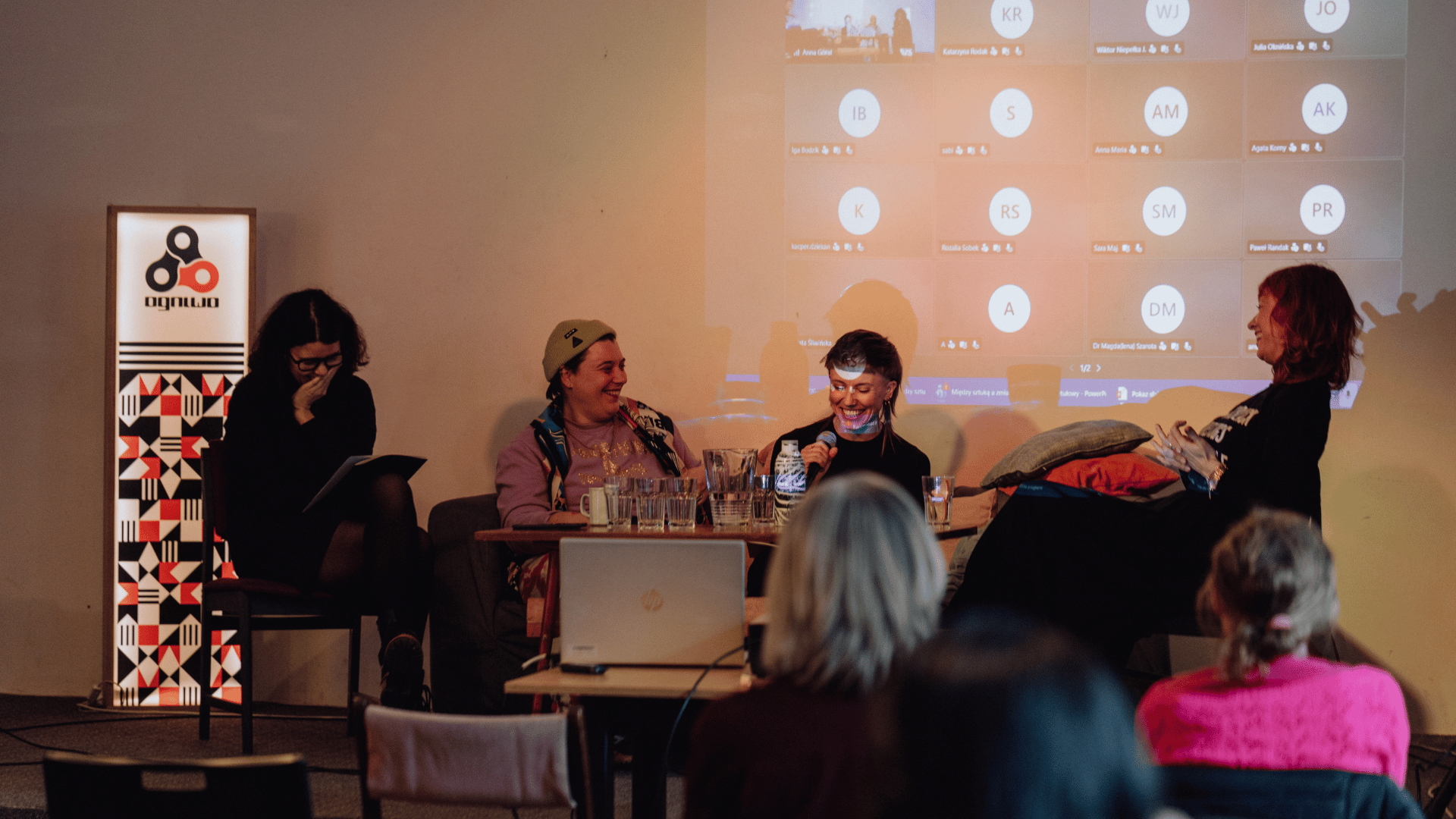
This was followed by a panel discussion featuring Zo Reznik, Mo Tomaszewska, and Agata Cukierska, moderated by Marta Kudelska. The conversation explored how artivist practices operate across boundaries - between institutions and grassroots movements, between art and politics - and how they can challenge dominant structures while opening up new spaces for participation. The speakers highlighted the importance of context, intention, and relationships in socially engaged artistic work.
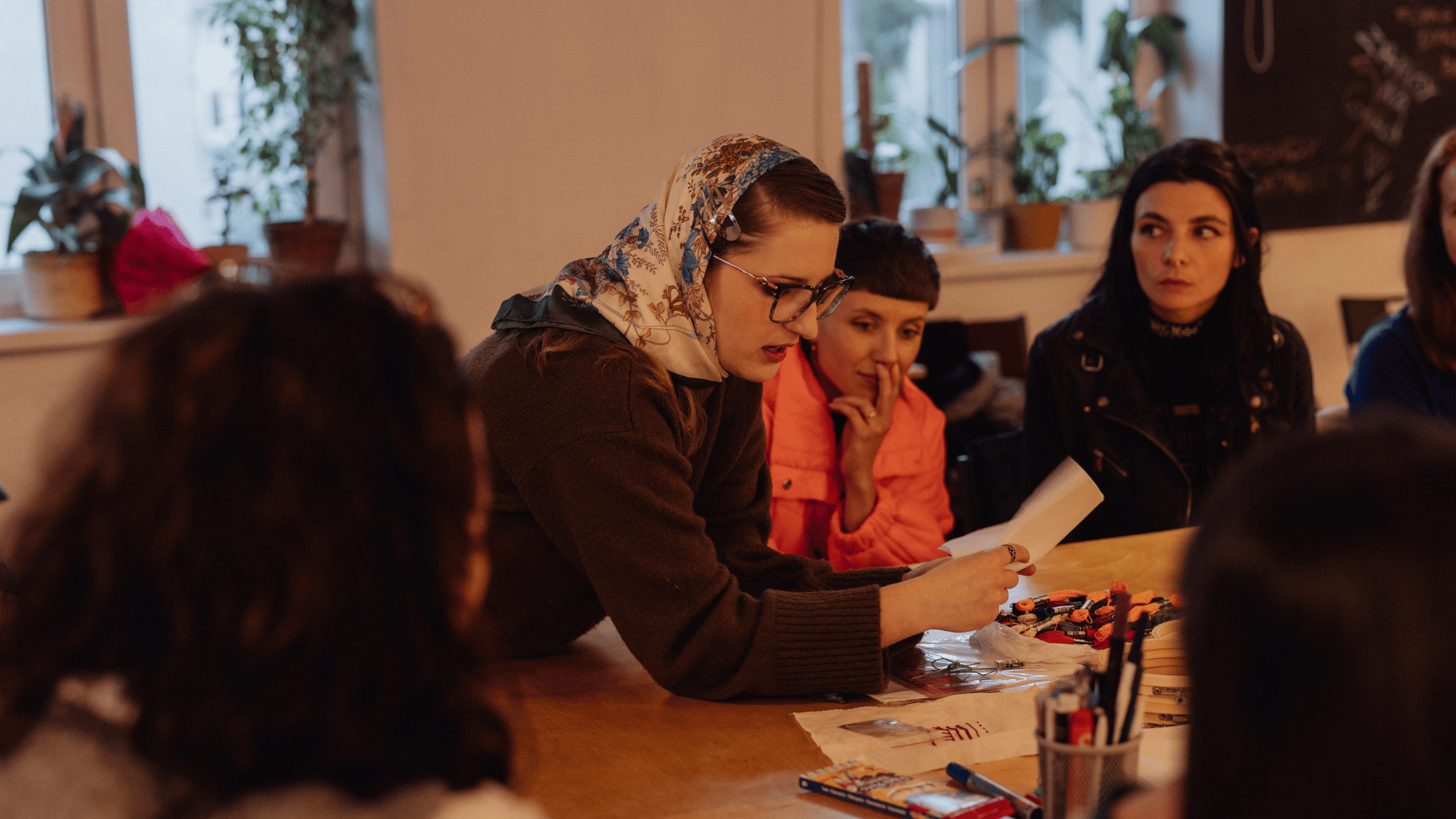
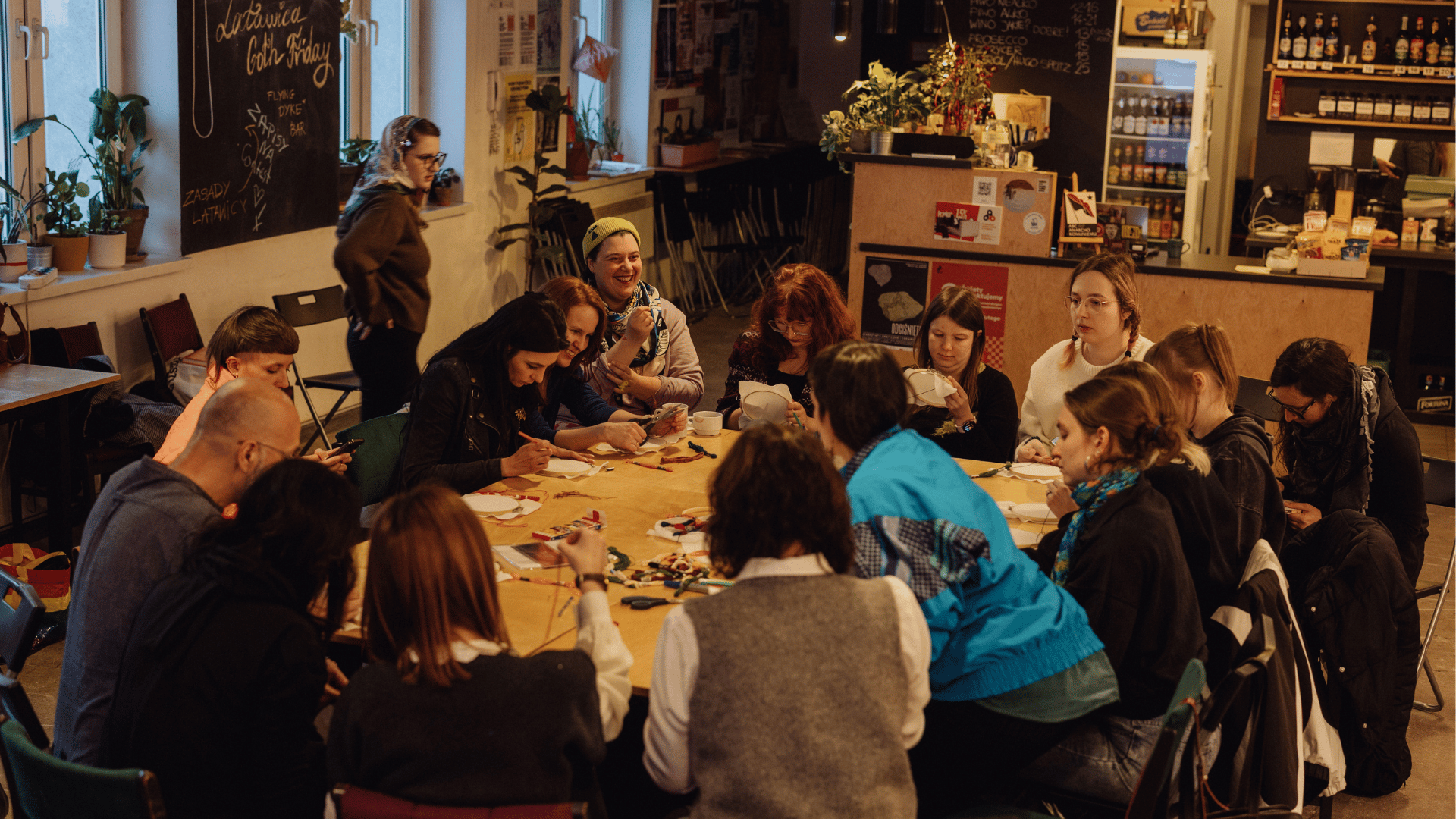
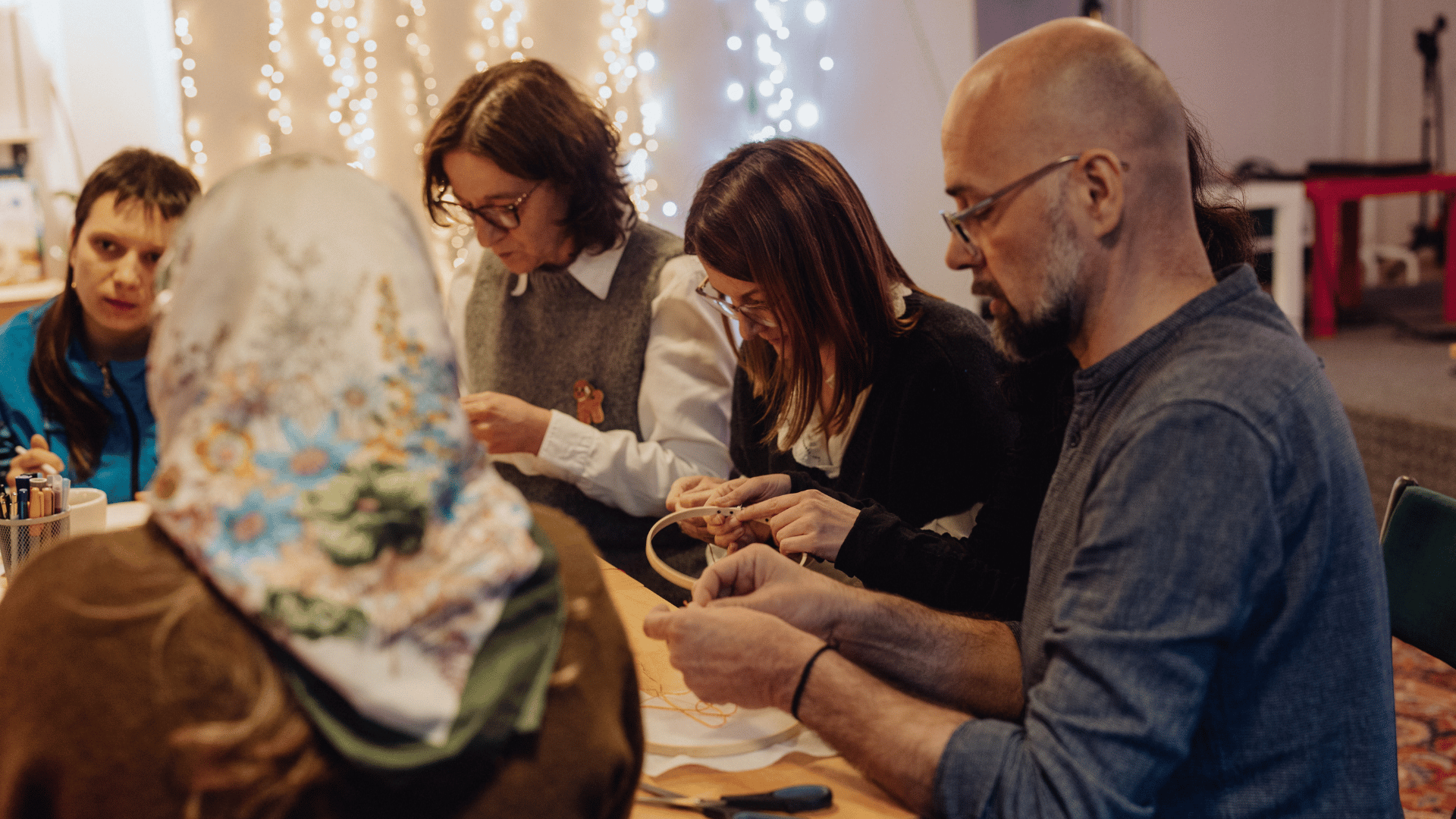
A key moment of the workshop was the interactive session led by Ada Omylak from the Revolutionary Housewives Circle. Through a collective embroidery activity, participants engaged in a hands-on exploration of artivism as a form of community-building, care, and knowledge exchange. The session illustrated how creative practices can foster connection while addressing social and political questions in tangible ways.
Across the day, one message became clear: artivism does more than reflect society, it actively reshapes it. By bringing together diverse perspectives, fostering collaboration, and creating space for critical reflection, feminist artivism can play a powerful role in strengthening democratic practices.
Key takeaways
- Democratizing knowledge - and valuing lived experience - is essential for both research and social change
- Feminist collaboration requires actively engaging with difference and building meaningful relationships
- Artivism operates as a hybrid practice, combining art, activism, and critical inquiry
- Cultural institutions can act as important platforms for social transformation
- Collective creative practices create spaces for care, reflection, and community
Photography by Patrycja Bramora
.png)